Is Lung Detox a Thing? How to Help Heal Your Lungs After Smoking or Vaping

January 20, 2026
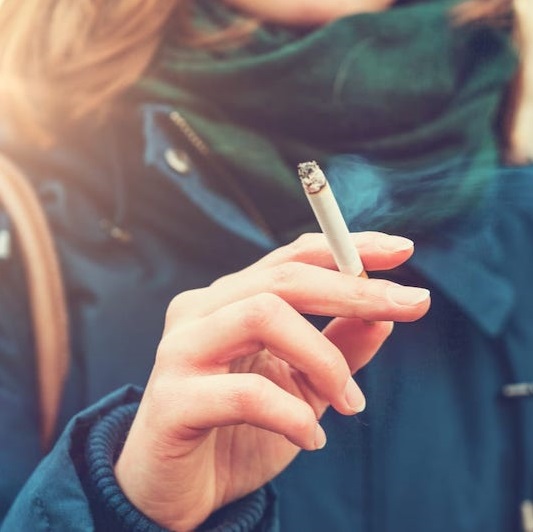
Call it a “lung detox” if you like, but unfortunately, there are no fast fixes to improve your lungs after vaping or smoking.
“Both smoking and vaping can have a long-lasting impact on your lung function,” says Lisa M. Casale, M.D., a pulmonologist with Hackensack Meridian Health. “With smoking in particular, though, you’re not just at risk for COPD – that includes emphysema and chronic bronchitis – but lung cancer is the big one to worry about.”
Lung cancer is the leading cause of cancer deaths in the U.S., though early detection can dramatically improve results. However, only about 16 percent of eligible high-risk individuals complete their yearly lung cancer screenings.
The good news is, there are some habits that can help your lungs heal. Dr. Casale shares expert advice on the best ways to take care of your lungs after you quit vaping or smoking.
Step 1: Set Yourself Up for Success
First, congratulate yourself for doing the hard work to quit vaping or smoking. Next, make sure those days stay in the past. Start your lung detox lifestyle by joining a cessation program if you haven’t already. Also consider addiction counseling or (if you haven’t quite quit) nicotine replacement therapy.
Then, “don’t smoke or vape any substance,” says Dr. Casale. “That will only worsen lung damage.”
Step 2: Repair Your Respiratory Health
Once you’ve stopped vaping or smoking and have checked in with your doctor, says Dr. Casale, “healing your lungs involves supporting your body’s natural healing processes and adopting habits that promote respiratory health.”
Clear Your Lungs
As with any health care goal, be wary of products marketed online as a quick or easy fix for lung detox. “Most of those ‘lung detox’ products are not FDA-tested, and we don’t know if they’re safe or if they may interfere with your medications – or if they even work,” says Dr. Casale.
She recommends these safe, proven strategies:
- Hydrate: Drink plenty of water to thin out mucus.
- Try deep breathing exercises: Techniques like diaphragmatic breathing or box breathing can improve your lung capacity and efficiency. Even singing can help.
- Get (or stay) physically active: Moderate aerobic exercise, such as walking or swimming, promotes deep breathing and lung clearance. Exercises to strengthen muscles and support posture (think yoga, Pilates and working out with light weights) help your lungs clear and expand more fully.
Reduce Inflammation and Stress
Chronic stress can worsen inflammation, and your body is already fighting any inflammation that vaping or smoking may have caused.
Include these tips as part of your lung detox:
- Eat healing foods: Boost your intake of foods that are rich in antioxidants, including berries, leafy greens and cruciferous vegetables like broccoli and radishes. Also aim to increase your omega-3s, which are found in fatty fish, flaxseed and walnuts. Antioxidants and omega-3s fight inflammation and boost your health in numerous ways.
- Practice mindfulness: Meditation and other mindfulness techniques can reduce feelings of stress and help battle inflammation.
- Focus on quality sleep: Prioritize getting a good night’s sleep, which is important for keeping inflammation under control.
Prevent Respiratory Infections
Smoking can weaken your immune system, Dr. Casale says. Whether you vaped or smoked, your lung detox lifestyle should include guarding against respiratory infections, which can cause more lung damage:
- Steer clear of anyone who’s sick: Avoid contact with anyone who has a respiratory infection or cough. Wear a mask when appropriate.
- Talk with your doctor about vaccines: Stay up to date on appropriate vaccines (as recommended by current guidelines) to support your lung health, including those for:
- Flu
- COVID-19
- Pneumonia
- RSV
Take Care of Underlying Lung Disease
If you also have a lung condition like asthma or COPD, “be sure to take your medications and inhalers as directed by your health care provider,” says Dr. Casale. Connect with your doctor about any new or worsening symptoms.
“We all lose a little lung function as we get older, and that’s normal – but you’re going to lose it quicker if you vape or smoke,” says Dr. Casale. So, the sooner you quit vaping or smoking and start your lung detox lifestyle, the sooner you can breathe easier, at any age.
Step 3: See Your Doctor for Support
Since people who have quit vaping or smoking might not know the extent of the damage to their lungs, they can benefit from a check-in with their primary care provider.
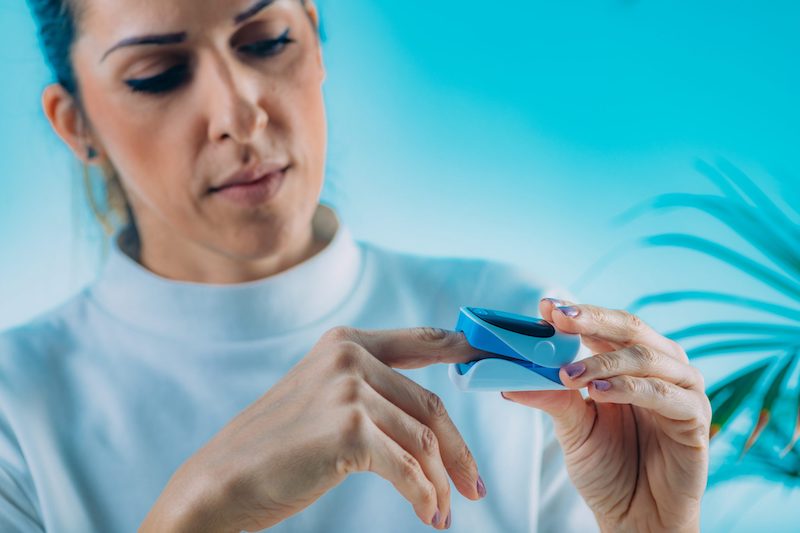
If your doctor has concerns – or if you have symptoms like a stubborn cough, coughing up blood, chest pain or shortness of breath – your next stop may be a lung specialist (pulmonologist). They will probably suggest tests, such as a chest X-ray or a CT scan, pulmonary function tests, or measuring your blood oxygen. The goal is to get a better picture of any damage.
The Long-Term Effects of Smoking & Vaping on Your Health
“If you’re a former smoker, you should see a pulmonologist to see if you’re a candidate for a low-dose CT scan to screen for lung cancer,” says Dr. Casale. “It’s like a mammogram; you’ll get a low-dose CT scan every year for a certain amount of years so we can hopefully catch lung cancer early, when it’s more likely to be curable.”
A yearly pulmonary function test can also help you monitor for COPD, which can include emphysema and chronic bronchitis. Your doctor may be able to prescribe medications and inhalers to help ease symptoms and limit the decrease in lung function. If your symptoms are severe, you may require supplemental oxygen.
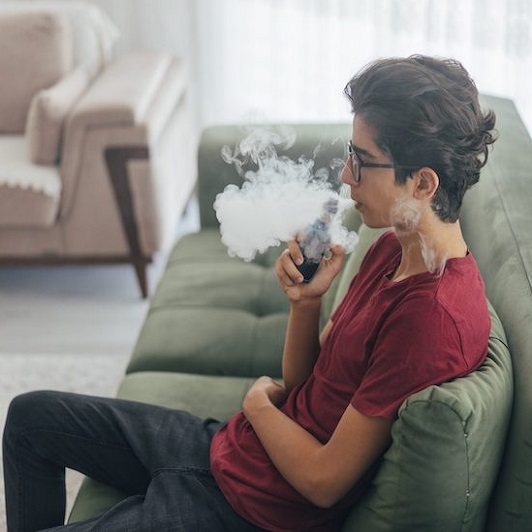
Vape users might be at risk for e-cigarette or vaping product use-associated lung injury (EVALI). It can lead to hospitalization and sometimes even death. If there’s permanent damage, a pulmonary rehab program can help patients make the most of their remaining lung function.
“We don’t know if everyone who vapes gets some degree of lung damage,” says Dr. Casale, “but vaping does cause inflammation, which increases the risk of lung injury.”
Next Steps & Resources:
- Meet our source: Lisa M. Casale, M.D., FCCP, pulmonologist and assistant professor at Hackensack Meridian School of Medicine.
- To consult a respiratory specialist near you, call 800-822-8905 or make an appointment with a pulmonologist.
- Learn more about our pulmonary care.
The material provided through Healthier You is intended to be used as general information only and should not replace the advice of your physician. Always consult your physician for individual care.