

Monitoring Employee Health with HAZMAT and HAZWOPER Physical Exams
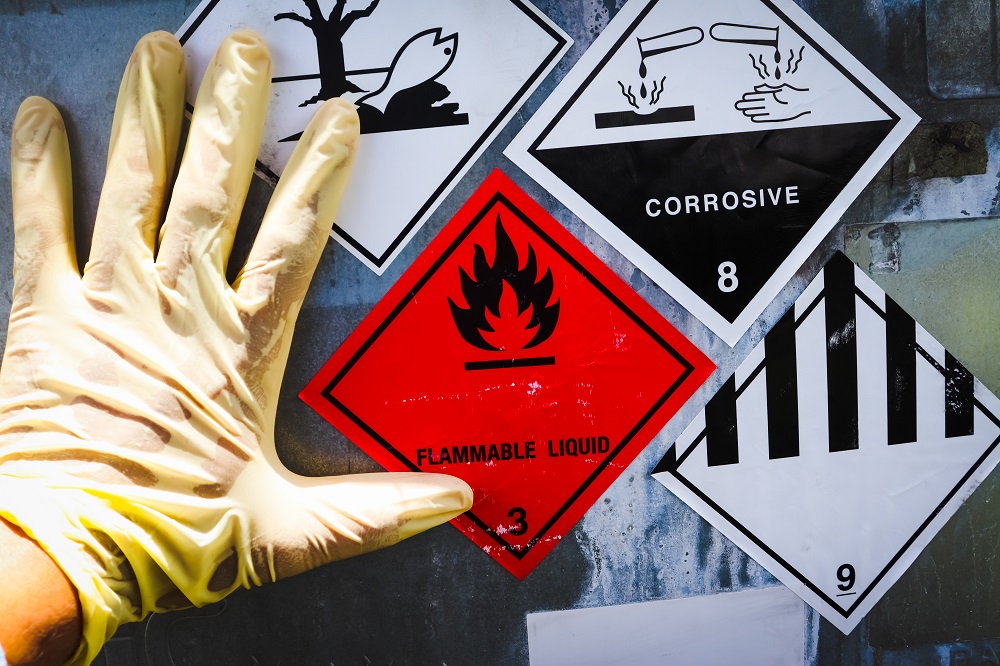
When employees transport or are exposed to hazardous materials (HAZMAT), their employers are required to send them for annual HAZMAT physical exams.
If employers have workers who come into contact with hazardous materials through Hazardous Waste Operations and Emergency Response (HAZWOPER), they are required to send those workers for HAZWOPER physical exams.
Occupational medicine practitioners perform both of these important exams.
Generally, hazardous materials include flammable liquids, corrosive chemicals, and toxic substances such as ammonia, chlorine, and lead. Additional examples of exposures for employees include pesticides, acids, solvents, aerosol sprays, and asbestos.
The Occupational Safety and Health Administration (OSHA), which regulates workplace safety, mandates HAZMAT and HAZWOPER physicals for certain employees.
Workers are initially sent for baseline HAZMAT physicals when they begin working with hazardous materials. They have follow-up exams annually as long as they continue working with hazardous materials.
“Additionally, employees who work on a HAZMAT team, or are exposed to hazardous materials as part of hazardous waste operations and emergency response (HAZWOPER), may need an examination. This would include if their exposure is above a certain threshold based on OSHA guidelines, known as ‘permissible exposure levels’ or PELs, or if they wear a respirator greater than or equal to 30 days per year and become sick from possible overexposure”, says Robert Pedowitz, D.O., Vice President and Chief Medical Officer of Occupational Health and Safety at Hackensack Meridian Health.
The purpose of yearly HAZMAT physical exams is to monitor employee health and detect any changes related to their exposure to hazardous materials.
What HAZMAT physicals include
When occupational medicine practitioners perform HAZMAT physical exams, they ask workers about their personal health history and their exposure to hazardous materials.
“We want to identify possible risks or exposures,” Dr. Pedowitz says. “We ask: What kind of work are they doing? What kind of materials are they handling?”
Occupational medicine specialists also perform a thorough physical exam annually that includes several tests:
- Blood tests
- Urine testing
- Vision testing
- Testing to measure lung function
- Chest X-ray
- Electrocardiogram (EKG), which examines heart function
- Testing for hepatitis B
- Hepatitis B vaccination, if workers haven’t been vaccinated
- Respirator fit test, for workers who wear respirators on the job
“Blood and urine tests may measure levels of metals or chemicals, depending on what the workers may be exposed to,” Dr. Pedowitz says. “We also do a respiratory questionnaire and a fit test to make sure they have the proper face mask when they need respiratory protection.”
HAZWOPER exams differ, as there are no universally required tests. Instead, an occupational medicine practitioner tailors assessments to each employee, taking into account the specific hazardous exposures encountered in their work environment. This personalized approach ensures that each individual receives the most relevant and effective testing to monitor their health and safety.
How occupational medicine practices can personalize HAZMAT physicals
The work that a company’s employees perform can affect the way that occupational medicine specialists conduct HAZMAT exams. The types of chemicals or other hazardous substances to which workers are exposed on the job can also affect them.
“Many of our employers identify certain materials that their workers are transporting or exposed to, which helps us,” Dr. Pedowitz says. “In our statements of work with employers, we typically spell out what common exposures different workers are going to have. Based on that information, we may need to order specific blood tests.”
After every HAZMAT physical, occupational medicine specialists provide employers with documentation of each worker’s health and test results.
“We would prepare a written summary, such as “Employee X came in for their annual HAZMAT exam. Their exam and test results are normal, and they’re clear to continue working. We’ll see them back in a year,’” Dr. Pedowitz says. “Some employers may want to see details of each test, and others may just want a summary. We try to be flexible to meet the needs of the employer.”
What employees should expect during HAZMAT physicals
When workers go for HAZMAT physicals, they should leave themselves ample time for the appointment. They’ll need to discuss their health history, undergo a physical exam, and have testing done.
At Hackensack Meridian Works, occupational medicine physicians, nurse practitioners, and physician assistants can perform HAZMAT physicals. NPs and PAs who conduct physicals can seek input from physician colleagues as needed.
“Sometimes, a question comes up, and they need to consult with a physician,” Dr. Pedowitz says. “We always have a physician trained in occupational medicine available for consultation.”
For more information, or to request that HM Works handle your company’s HAZMAT physicals to monitor the health of your workforce, contact us at hmworks@hmhn.org.