Protecting Your Bones Through Menopause

November 26, 2025
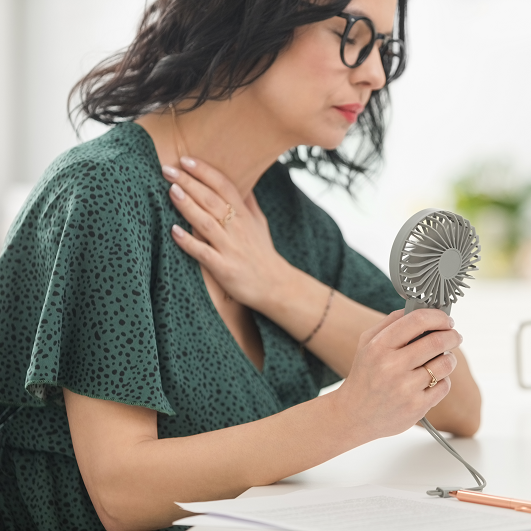
Many women are familiar with common side effects of menopause, such as hot flashes and mood changes. However, Meghan Rattigan, DO, an OB/GYN at Jersey Shore University Medical Center, notes that one issue is often overlooked: osteoporosis.
“During menopause, declining estrogen levels affect the process that involves the breakdown and rebuilding of bone tissue. This results in osteoporosis, a condition that causes bone loss,” she says.
Dr. Rattigan shares some tips on how you can protect your bones and prevent bone loss, whether you are 35 or 65 years old.
Look for Warning Signs
Dr. Rattigan refers to osteoporosis as a ‘silent disease’. “Usually, the first sign that something is wrong is a fracture from something that shouldn’t have caused such an injury. By then, significant bone loss has already occurred,” she says.
Although there are a few noticeable symptoms of osteoporosis, there are some subtle signs to be aware of. Pay attention if you notice:
- A loss of height or a newly hunched posture
- Receding gums. This can be a sign of bone loss in the jaw
- Decreased grip strength
- A “fragility fracture,” a bone that breaks much more easily than expected
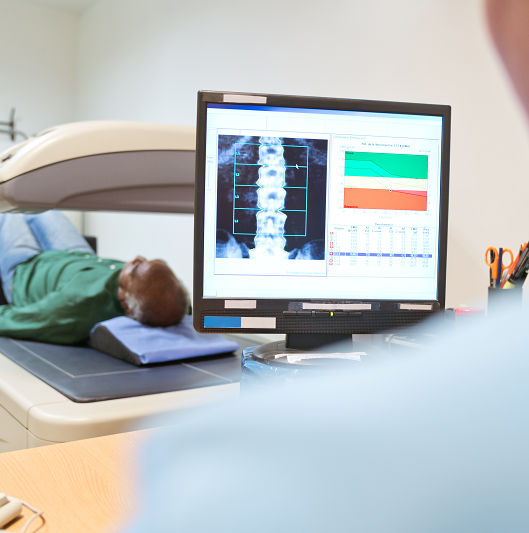
If you notice one or more of these symptoms, talk to your primary care doctor. They may order tests to determine if you have bone loss.
Know Your Risks
Certain factors can increase your risk of osteoporosis. Be sure to discuss your bone health with your doctor if you have a family history of osteoporosis, a low body mass index (BMI), or medical conditions like thyroid disease or diabetes.
Certain medications, including long-term steroid use, some depression and anxiety medications, and specific breast cancer drugs, can also impact bone density.
Fuel Your Bones
According to Dr. Rattigan, a well-balanced diet is important. But, two nutrients stand out as the superstars of bone health: calcium and vitamin D. Vitamin D helps your body absorb calcium, making them a powerful team. You can find them in dairy products, leafy greens, and fortified foods.
Dr. Rattigan suggests steering clear of additional supplements that promote bone health. “ Try to get the nutrients from your diet first, and talk to your doctor to see if supplementing is right for you,” she says.
Stay Active
Exercise is a great way to keep your bones healthy, but the type of exercise you do matters. To build bone, focus on strength training and weight-bearing exercises. Some simple ideas include:
- Walking, jogging, or dancing
- Adding a weighted vest to your walks
- Using small one, two, or three-pound hand weights during your workout
These activities put gentle stress on your bones and gradually increase bone strength.
Start Early
If there’s one message Dr. Rattigan wants to share regarding osteoporosis, it's to start early. “Whether you are 35 or 65, today is the perfect day to invest in your future self. Start incorporating healthy habits into your routine.
Small, consistent efforts are the single best way to ensure you have strong, reliable bones that will carry you through a healthy, active, and independent life for years to come,” she says.
Next Steps & Resources
- Meet our experts: Meghan Rattigan, DO
- To make an appointment with Dr. Rattigan, call 800-822-8905 or search to find a doctor near you.
- Learn more about women’s health at Hackensack Meridian Health.
The material provided through Healthier You is intended to be used as general information only and should not replace the advice of your physician. Always consult your physician for individual care.