6 Signs You Need Hormone Replacement Therapy

September 02, 2025
You’ve been waking up at night, drenched in sweat. Your mind feels foggy during the day, your joints ache more than they used to, and your mood seems to swing without warning. You chalk it up to stress, lack of sleep or “just getting older.” But for many women, these changes may have a different cause: menopause.
Menopause is a natural stage of life, but the symptoms that come with it can range from mildly bothersome to truly life-altering. Not all women need treatment for these changes. But for some, the menopause symptoms become so persistent or disruptive that they affect daily life, relationships and long-term health. That’s when hormone replacement therapy (HRT) might be worth considering.
“Hormone therapy doesn’t treat menopause itself, it treats the symptoms of menopause,” explains Jocelyn Carlo, M.D., a gynecologist specializing in minimally invasive gynecologic surgery at Hackensack Meridian Health. “If your symptoms are interfering with your quality of life, that’s when we consider it.”
Here, Dr. Carlo shares the most common signs that HRT might be right for you, and what you should know before starting treatment.
Hot Flashes and Night Sweats That Disrupt Daily Life
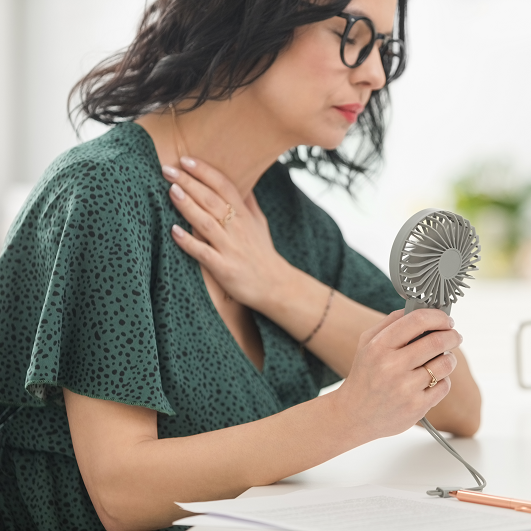
One of the most recognizable symptoms of menopause is the sudden rush of heat known as a hot flash. For some women, these episodes happen occasionally; for others, they can occur multiple times a day and disrupt sleep at night.
“Hot flashes and night sweats are both caused by a drop in estrogen levels,” says Dr. Carlo. “Night sweats, in particular, can lead to waking up multiple times and losing valuable sleep.”
That loss of sleep can have a domino effect: fatigue, brain fog, irritability and even weight gain.
When it becomes a problem: If you’re avoiding social events, losing sleep, or struggling to function at work because of hot flashes, that’s a sign the impact has gone beyond normal. HRT can help stabilize estrogen levels, reducing the frequency and severity of hot flashes and night sweats – and, in turn, helping you get more rest.
Sleep Problems That Persist Despite Good Habits
When your body’s hormone levels fluctuate, it can disrupt your natural sleep-wake cycle. Pair that with night sweats waking you up, and quality sleep can be hard to come by.
“Poor sleep leads to poor focus, memory problems and even mood changes the next day,” says Dr. Carlo. “We now have radiologic evidence showing changes in brain matter during menopause, especially in the first two years. That brain fog women talk about? It’s real.”
When it becomes a problem: If you’ve tried improving your sleep habits but still wake up feeling unrefreshed – or if your concentration and mental clarity are slipping – HRT could be part of the solution.
Joint Pain and Bone Loss That Make Daily Tasks Difficult
Estrogen isn’t just important for reproductive health; it also helps protect your bones and joints. When estrogen levels drop, bone density can decline, increasing the risk of osteoporosis.
“We’re learning more about how menopause can affect the body beyond the classic symptoms,” says Dr. Carlo. “Hip pain, frozen shoulder and other joint discomforts can be related to lack of estrogen. And osteoporosis is directly linked to estrogen loss.”
When it becomes a problem: If you’ve noticed new or worsening joint pain, or if your bone density scan shows early signs of thinning bones, your doctor may discuss whether HRT can help preserve your bone health.
Vaginal Dryness That Makes You Uncomfortable
One of the lesser-discussed but highly impactful symptoms of menopause is vaginal dryness. The loss of estrogen can cause the vaginal tissues to thin and become less elastic, a condition known as vaginal atrophy.
“Women often assume these changes are due to a yeast infection because that’s what they experienced in their 20s and 30s,” says Dr. Carlo. “But in menopause, it’s usually related to lack of estrogen.”
When it becomes a problem: Vaginal atrophy can lead to itching, burning, changes in odor and pain during intercourse.HRT can improve vaginal health and comfort, and for women who aren’t candidates for systemic hormone therapy – such as some breast cancer survivors – localized vaginal estrogen is still an option.
“Even if you can’t take estrogen pills or patches, you may be able to use vaginal estrogen to treat dryness and discomfort,” Dr. Carlo notes.
Pain During Intercourse and Low Libido That Affects Relationships
When vaginal dryness leads to pain during sex, it can have a ripple effect on intimacy and sexual desire. Once intercourse becomes painful, libido often drops. It’s all connected.
When it becomes a problem: Some women find relief with lubricants or vaginal moisturizers, but if symptoms won’t go away, vaginal estrogen (a form of local HRT) or systemic HRT can make a difference.
Mood Changes or Brain Fog That Don’t Improve
Hormonal changes that happen during menopause can influence your mood, memory and focus as well. These symptoms are commonly referred to as ‘brain fog’.
When it becomes a problem: Feeling a bit more forgetful or irritable is common, but persistent depression, anxiety or trouble concentrating that impacts work or relationships should prompt a conversation with your provider.
Dr. Carlo notes that while HRT isn’t the first-line treatment for depression or anxiety, it may improve mood for women whose symptoms are clearly linked to menopause.
The Bottom Line: Ask Your Doctor if HRT is Right for You
Menopause is a natural stage of life, but if symptoms are intense, persistent or interfering with daily activities, you don’t have to just “tough it out.” HRT isn’t right for everyone, but for many women it can offer real relief and protect long-term health.
If you recognize yourself in any of the above situations, talk with your gynecologist. Together, you can weigh the benefits and risks, review other treatment options and decide on the approach that’s right for you. Relief is possible, and you deserve to feel like yourself again.
Next Steps & Resources
- Meet our experts: Jocelyn Carlo, M.D.
- To make an appointment with a doctor near you, call 800-822-8905 or visit our website.
- Learn more about our women’s health services.
The material provided through HealthU is intended to be used as general information only and should not replace the advice of your physician. Always consult your physician for individual care.